
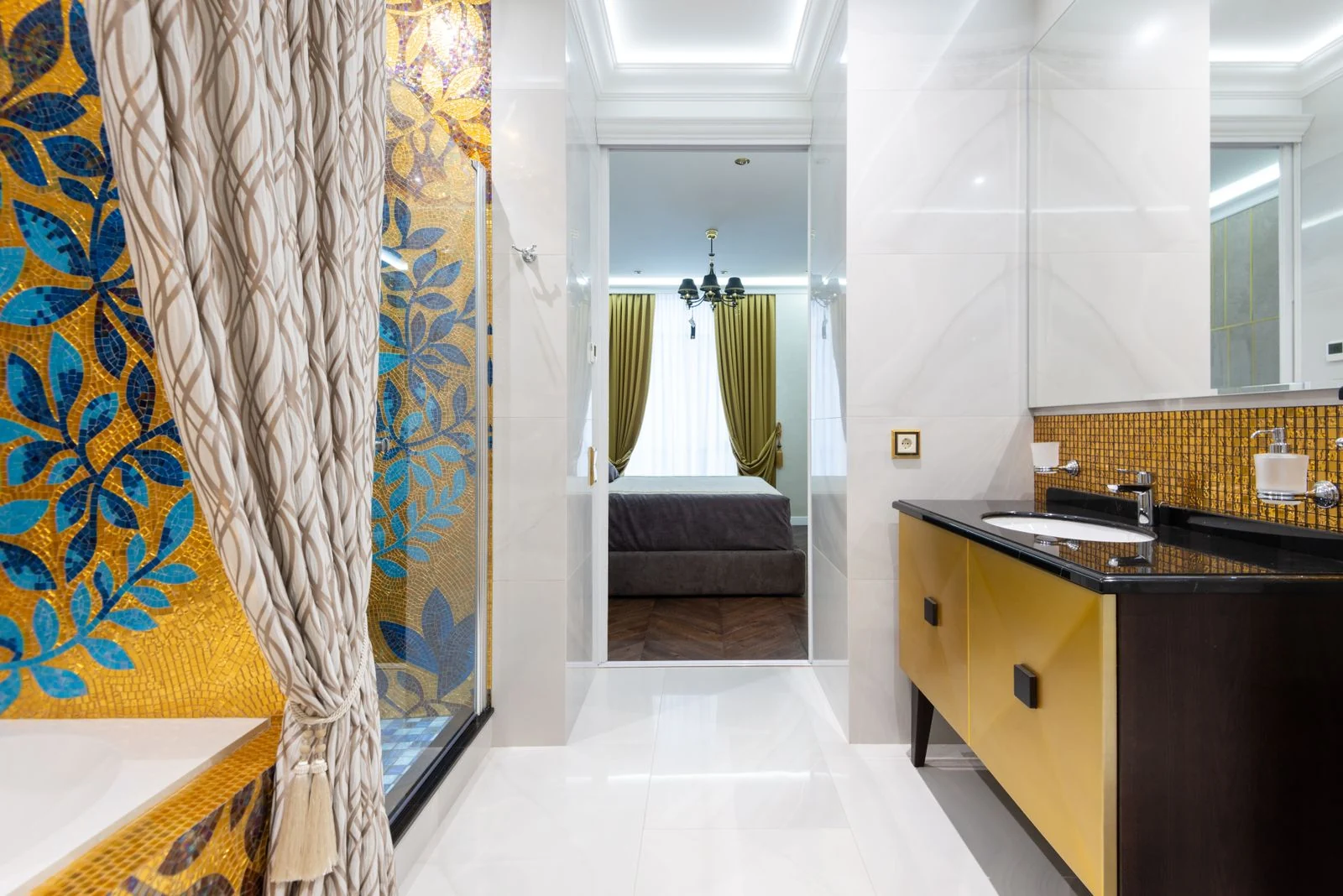
Start with the problem, not a shopping list
Describe the one or two things that bother you most. Perhaps the shower feels cramped, the bath is rarely used or bottles cover every surface. This tells an installer what a successful change needs to achieve. A saved photograph can explain a look you like, but it cannot describe how your own room works.
Include your postcode and bathroom details
Include your Falkirk postcode, a usable telephone number or email and whether you are replacing an existing bathroom or creating a new room. Mention stairs, restricted access and whether it is your only bathroom. These details help establish the right next step before anyone assumes a particular list of work.
Photographs and measurements can follow
If you already have photographs, take a wide view from the doorway and views of the current bath, basin, toilet and shower. Avoid including people or personal items. Rough dimensions can help the early discussion, but they do not replace an installer checking the room before you agree the products and fitting work.
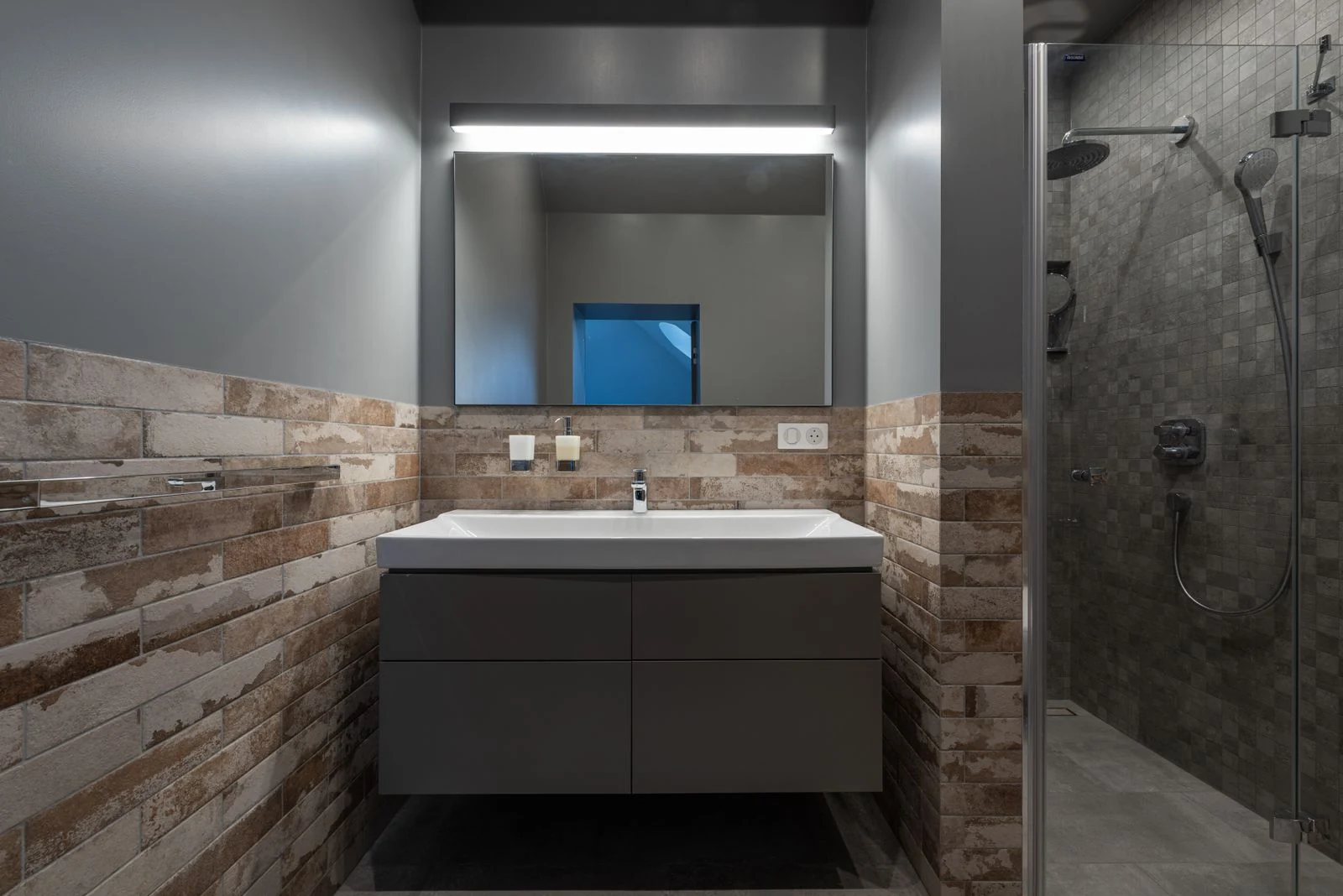
Separate priorities from preferences
Write three short lists: what must change, what you would like and what you are still unsure about. For example, keeping a bath may be essential while the tap finish is flexible. If you have a budget in mind, explain what you expect it to cover rather than treating a product price as the total installation cost.
Keep the first message simple
A useful message might say: “I am in Falkirk, this is our only bathroom, and we want a larger shower and more storage. The current layout can stay if that helps. Please contact me to discuss the next step.” You can agree product details and appointment arrangements after that first conversation.
Describe who uses the room
Explain the routines the new layout needs to support without sharing unnecessary personal information. A family bathroom used for hurried mornings has different priorities from a small en-suite used by one person. Mention whether several people keep toiletries in the room, whether a bath is regularly used and which fittings are awkward to reach. Say if you want the layout to support a specific access requirement, but leave the detailed suitability assessment to the installer. You do not need to diagnose the solution yourself. “The screen blocks the basin when it opens” is often more useful than requesting a particular enclosure before anyone has checked the available space.
Give useful context for a small flat
A compact bathroom may be straightforward to describe, but the route to it matters too. Tell the installer which floor the flat is on and whether there are stairs, a lift or shared access. Mention narrow doorways or a communal entrance that affects deliveries. You do not need to send detailed building access codes in an initial enquiry. Explain any restrictions on where materials can be stored and ask how delivery and waste arrangements would be handled. If the room contains boxed-in pipes or an unusually deep window sill, describe them as existing features. They may influence the plan even when they are not the first things you want to change.
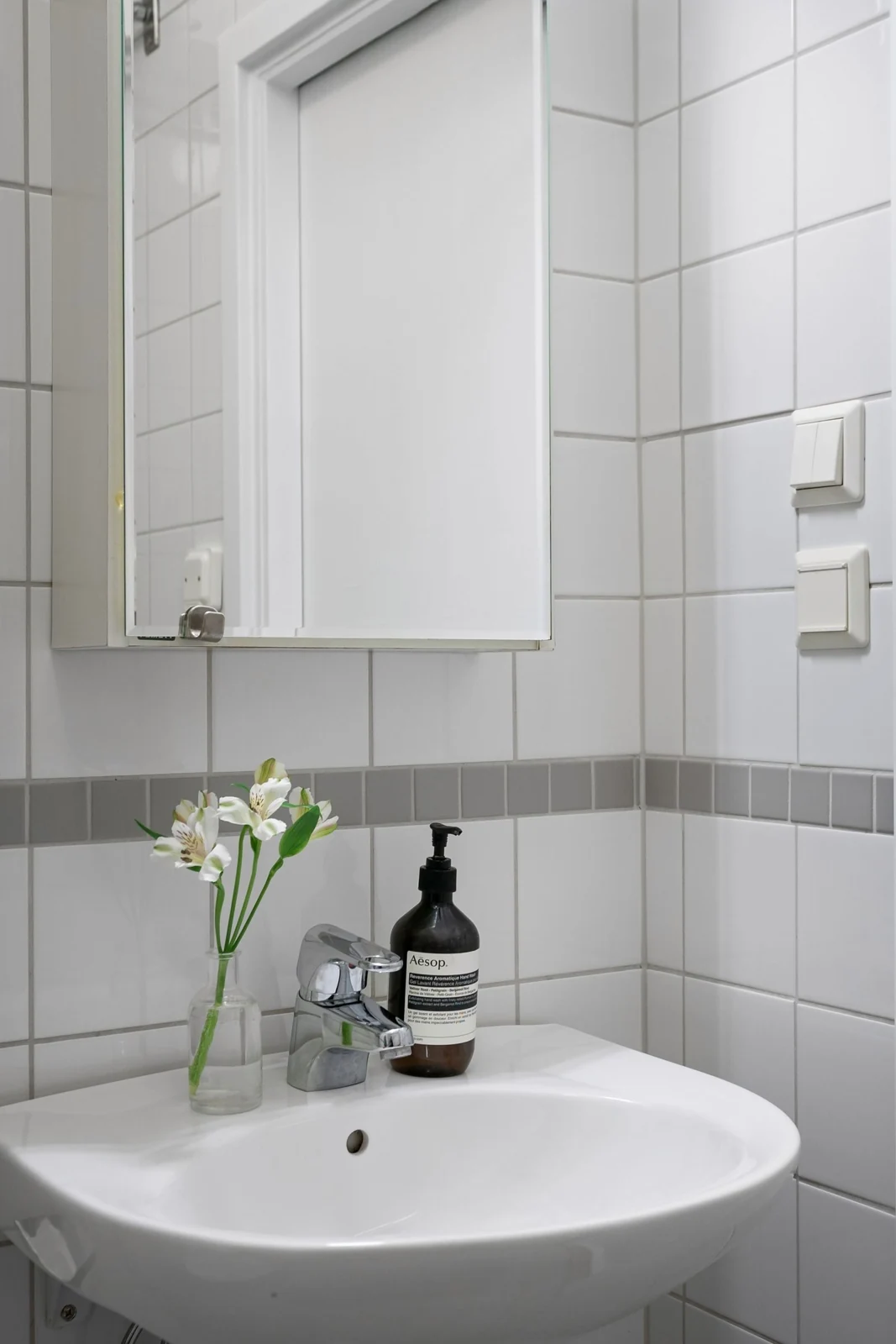
Make your reference pictures useful
Choose a small selection of rooms rather than a large collection with conflicting looks. Add one sentence beside each picture explaining the feature you like: the shallow vanity, a recessed shower shelf, light wall panels or coordinated chrome fittings. Distinguish the idea from the size of the photographed room. A wide hotel bathroom is not a reliable layout reference for a tenement, although its colour palette might still be helpful. If you are unsure which features will translate, say so. Our guide to the measurements that matter in a small bathroom explains why opening space and product projection deserve attention before the final layout is chosen.
Explain your timing without making assumptions
If a household event or planned move affects your preferred dates, include that information and identify how flexible you can be. Asking when a project could be assessed is different from securing a fitting date. Availability, product selection and the work found during assessment will shape the schedule. Avoid arranging deliveries or removing existing fittings on the assumption that an enquiry has booked the work. Ask what needs to be agreed before dates can be confirmed. If you are contacting more than one installer, send the same description to each so that the resulting discussions begin with a comparable understanding of the project.
Prepare for the follow-up conversation
Keep a copy of the message you send, your priority list and any rough sketch together. When someone responds, use that record to check what the next step involves and what information is still needed. Ask whether product decisions should wait until the room has been measured and who will confirm that the chosen items work together. The bathroom installation guide gives an overview of the work to discuss. Before agreeing a quotation, revisit the original problems you wanted to solve. A successful enquiry should lead towards a clear plan for those everyday needs, rather than simply a longer list of attractive products.