
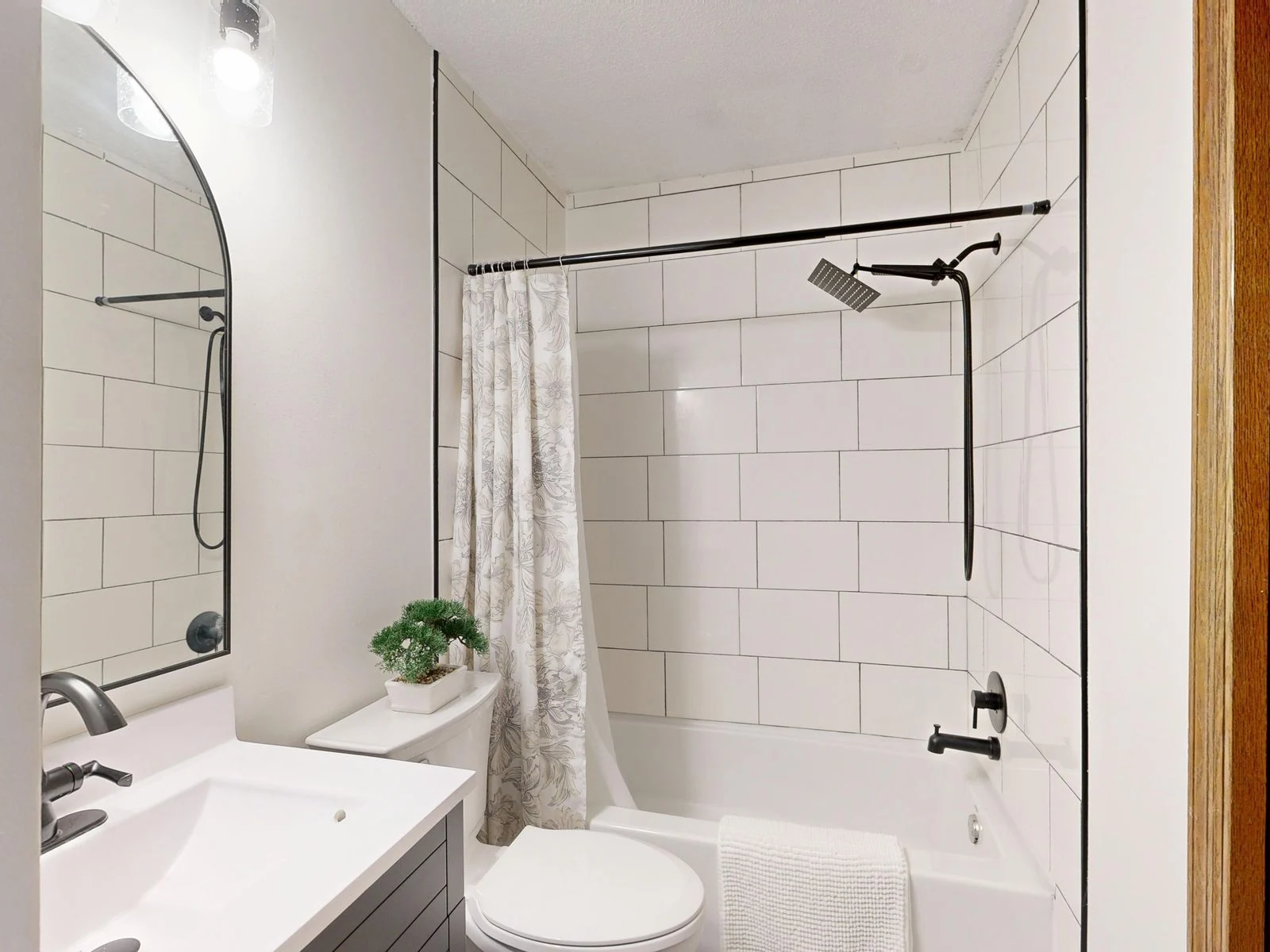
Put both quotes beside the same brief
Check that each quote addresses the same layout, fittings and finishes. A quotation that keeps the existing plumbing positions is different from one that relocates the toilet and shower. Mark any differences before deciding which figure represents better value.
Ask for identifiable products
Record the manufacturer, model, size and finish where products are included. “Shower enclosure” alone does not tell you the opening arrangement, type and thickness of glass or accessories. Clarify who orders each item, who checks deliveries and how a damaged or missing product is handled.
Look for the preparation
Removing the old bathroom, repairing damaged walls and floors, waterproofing the shower and finishing the surrounding surfaces can be a substantial part of the job. Check how much preparation is included and which assumptions depend on what is found after stripping out. Ask how additional work would be described and authorised.
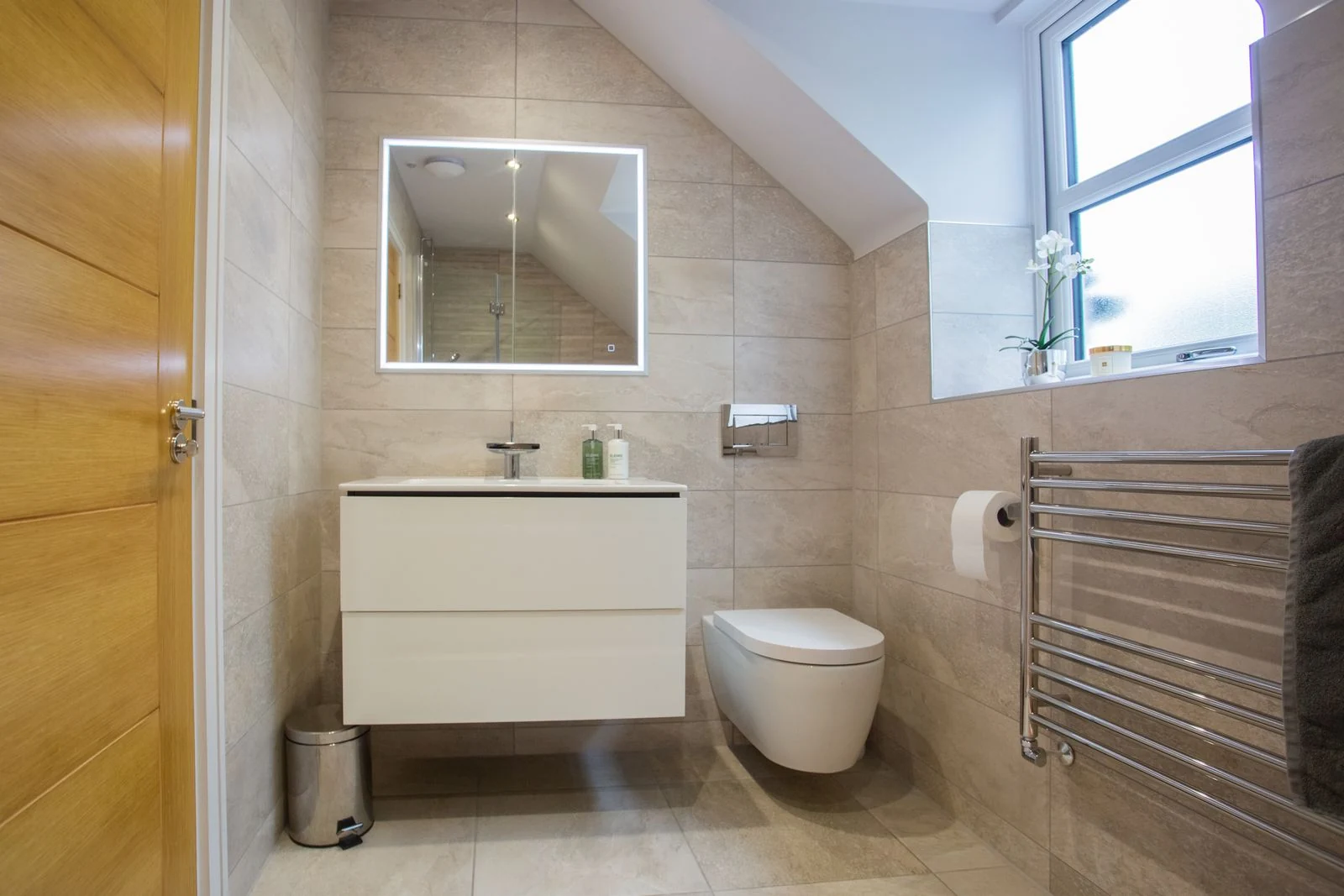
Agree who does each part of the bathroom fitting
Understand who is responsible for plumbing, electrical work, ventilation, surfaces and disposal. If you are arranging a separate trade, confirm when they are needed and what must be finished first. A gap between responsibilities can leave an otherwise detailed quote difficult to deliver.
Compare the terms alongside the total
Read payment stages, estimated schedule, exclusions and cancellation arrangements before committing. Keep the agreed product and work details and any later changes together. If a line is unclear, ask for a written clarification; do not assume that a verbal discussion has become part of the quotation.
Check whether the bathroom price is an estimate or a quote
An early figure based on a conversation or photographs may be useful for deciding whether to continue, but it may contain assumptions that a later visit changes. Ask what information the figure relies on and whether the layout, preparation and product list have been checked. Keep each version dated so that you can see what has changed. Do not compare an initial outline from one installer with a detailed assessed quotation from another as though they describe identical work. Our bathroom costs and quotation guide explains the main parts of the fitting work, without treating a generic starting figure as the price for your own room.
Create a comparison sheet with meaningful rows
Use a simple list with a column for each quote and rows for removal, protection, preparation, connections, products, wall finishes, flooring, disposal and handover. Write “included”, “excluded” or “needs clarification” before adding any comments. A blank line is not evidence that something is included. Record whether product supply sits with you or the installer and whether the quoted amount includes applicable taxes. The purpose is to find questions, not to award points mechanically. A more expensive proposal may include work missing from another, while a cheaper proposal may suit a simpler layout. Resolve those differences before comparing the final totals.
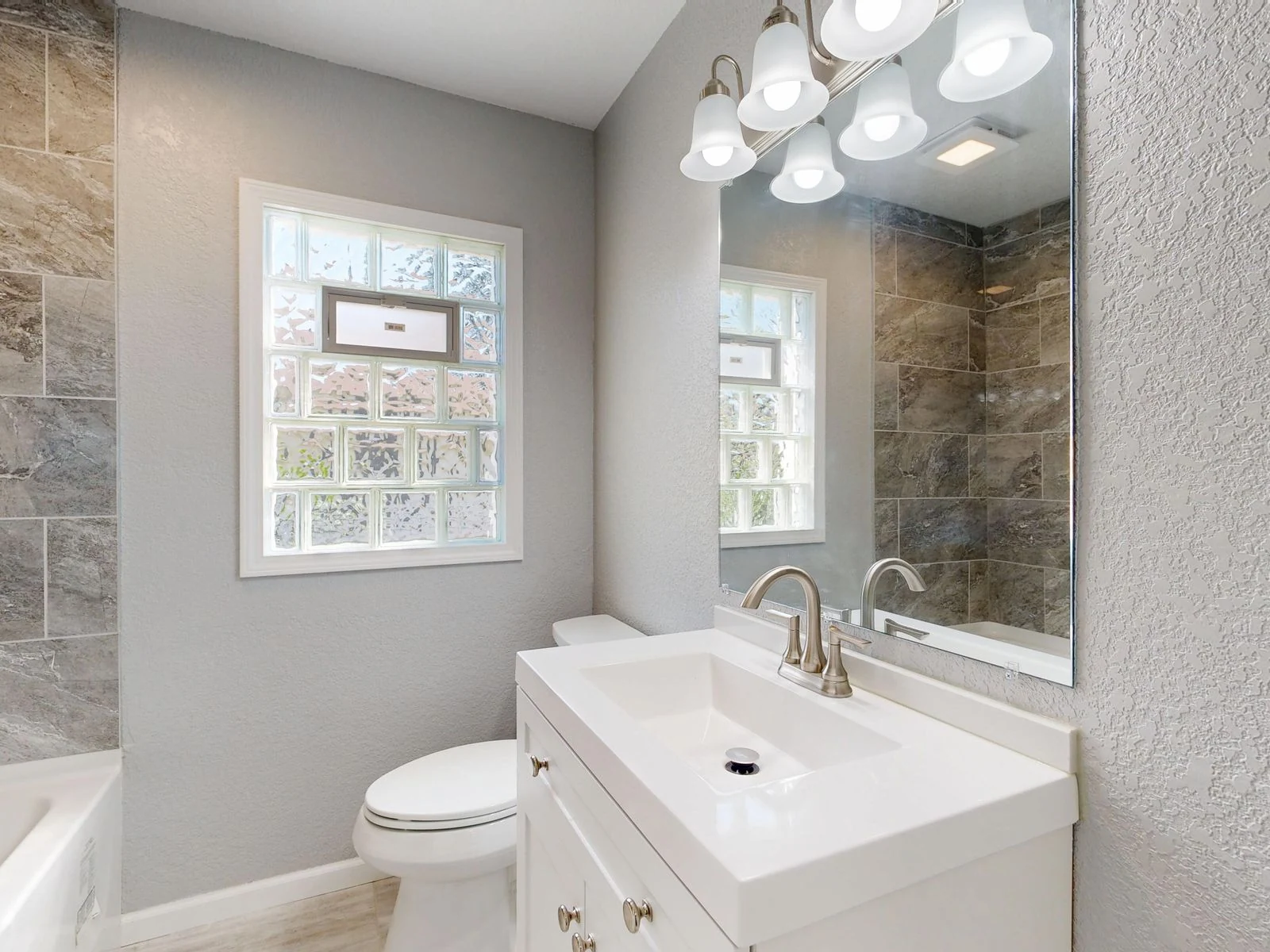
Check the small components as well as the suite
Screens, wastes, valves, handles, trims and fixing accessories can be easy to overlook when discussing a bath, shower or vanity. Ask for a product list detailed enough to identify what will actually arrive. Check the enclosure opening direction and the dimensions of the tray and cabinet against the checked layout. A different-looking tap may also have different installation requirements, so substitutions should be reviewed rather than accepted on appearance alone. Keep decisions about finishes together: a mixture of similar chrome, brushed and polished items may not produce the coordinated look you intended. The guide to choosing bathroom finishes helps organise that comparison.
Agree how changes will be handled
Even a careful plan may need revisiting when the existing bathroom is removed. Ask how an unexpected issue will be explained, what options you will receive and how any effect on cost or timing will be recorded. Decide who can approve changes while the work is happening. If you will be unavailable during the day, arrange a practical contact method rather than leaving decisions to chance. A verbal update can be followed by a short written record that names the change and the agreed next step. Avoid assuming that every unforeseen item is either automatically included or automatically extra; the written quote and the problem found will determine what happens next.
Look at the practical value of the proposal
A quotation should help you understand how the work will fit around your home as well as what the finished room will contain. Compare protection, access, delivery and communication arrangements. Where this is your only bathroom, ask each installer to explain the expected loss of facilities and what can realistically be arranged. Read planning a renovation of your only bathroom before agreeing a schedule. Finally, check that the revised quotation reflects the questions you have resolved. Keep the work, product list, approved changes and terms together so that you and the installer can refer to the same record throughout the job.
Check who supplies customer-selected items
If you have already chosen products, tell each installer before the quotation is prepared. Confirm whether their price allows for fitting those exact items and what happens if the product is incomplete, damaged or unsuitable. Keep purchase receipts and delivery information accessible. Avoid buying a discounted item simply to settle a decision quickly: returning an unsuitable enclosure or vanity may be inconvenient once the fitting date is approaching. A clear division between supply and installation responsibilities is more useful than assuming that any product you purchase can be incorporated without changing the plan.