
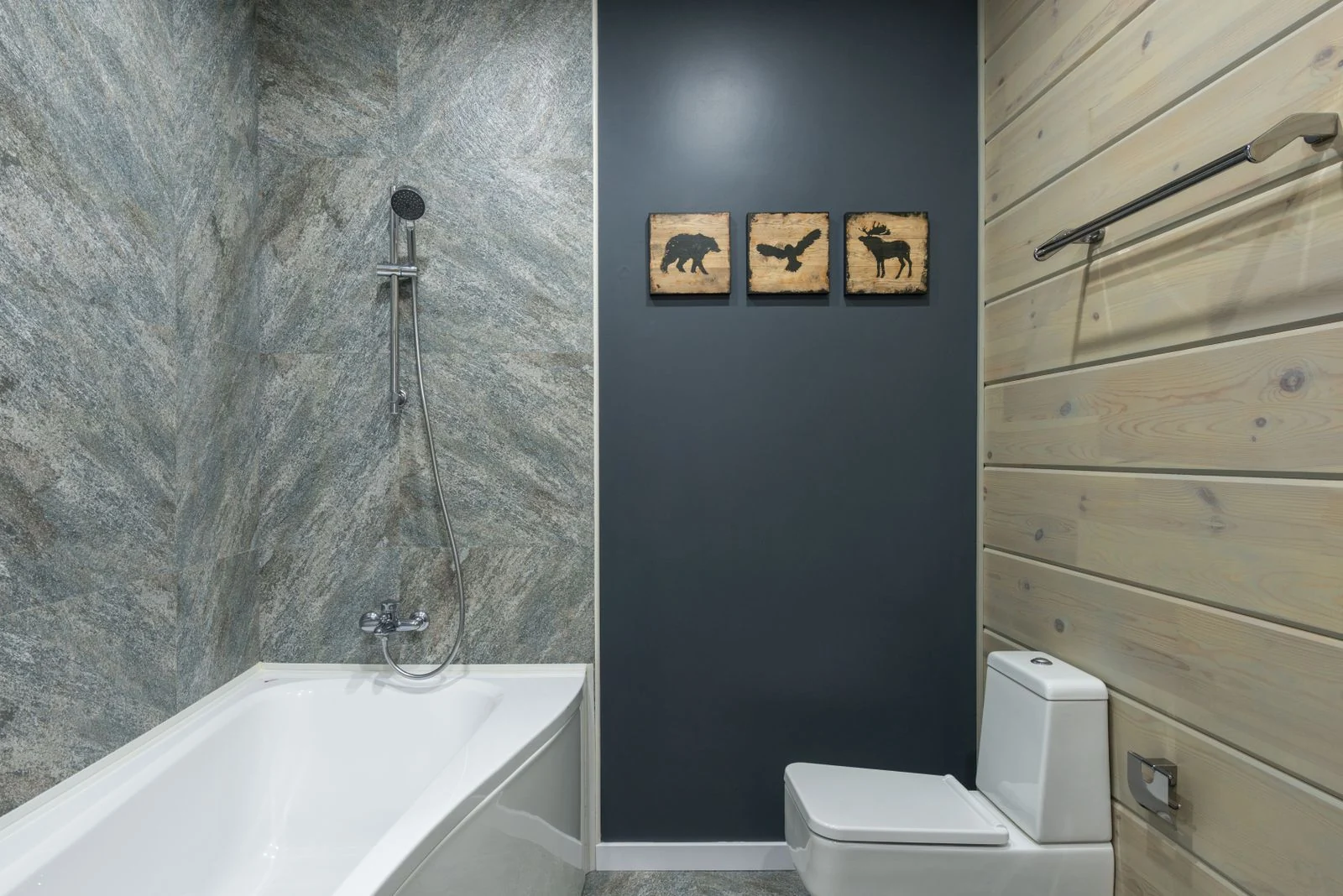
Have your bathroom quote ready
Compare the finished work with the product list and any approved changes. Check the visible fittings, finishes and accessories against the specification. If something differs, ask for an explanation and record what has been agreed rather than relying on memory.
Ask for a practical demonstration
Have the installer show you how the shower controls, taps, screens, ventilation and other fitted equipment operate. Ask where relevant isolation points and maintenance access are located. A demonstration is especially useful when a product behaves differently from the one it replaced.
Walk through the room together
Open doors and drawers, look at edges and joints, and discuss any visible marks or incomplete details. Ask the installer about checks on the installed systems. This is a customer review of the agreed work, not a substitute for the trade’s technical testing.
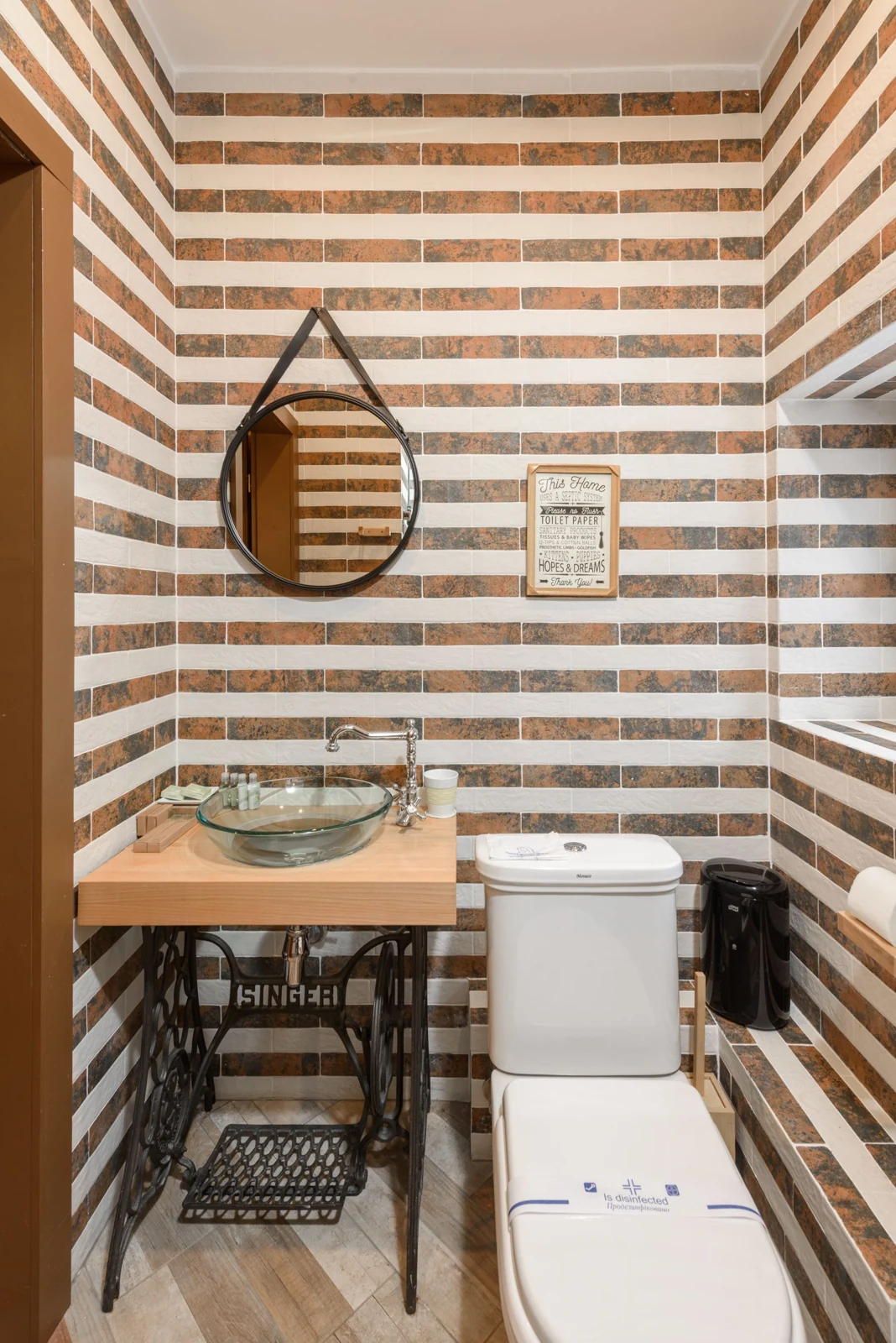
Collect the information you will need
Keep product instructions, model references, care advice and any applicable documents supplied for the work. Clarify when new surfaces or fittings can be used and which cleaners are appropriate. Store these details somewhere you can find them if a part needs attention later.
Record outstanding items and contacts
Write down any remaining work, who will handle it and the agreed next step. Know who to contact if you notice a problem after using the room. Keep the final scope, changes and handover notes together so there is a clear record of the project.
Arrange enough time for the conversation
Ask when the handover will take place and who should be there. Choose a time when you can look around without rushing to leave and when the person explaining the work can answer practical questions. Bring your written quote, product list and any changes you have agreed. If more than one member of the household will use unfamiliar controls, it can help for them to see the demonstration too. Our bathroom installation guide puts handover within the wider fitting process. The purpose of this meeting is to understand the finished room and record any open items, not to replace the installer’s responsibility for technical checks.
Review the room in a clear sequence
Start at the door and work around the room so that small items are not forgotten. Look at the agreed fittings, cabinet fronts, wall finishes, flooring, trims and accessories. Open the room door, enclosure and drawers in their intended way and ask about anything that feels different from the agreed plan. Review access panels and the locations you may need to reach for maintenance. Do not dismantle fittings or carry out technical tests yourself. If a concern needs closer inspection, ask the installer to deal with it. A calm sequence is usually more useful than repeatedly jumping between unrelated details while trying to remember what has already been discussed.
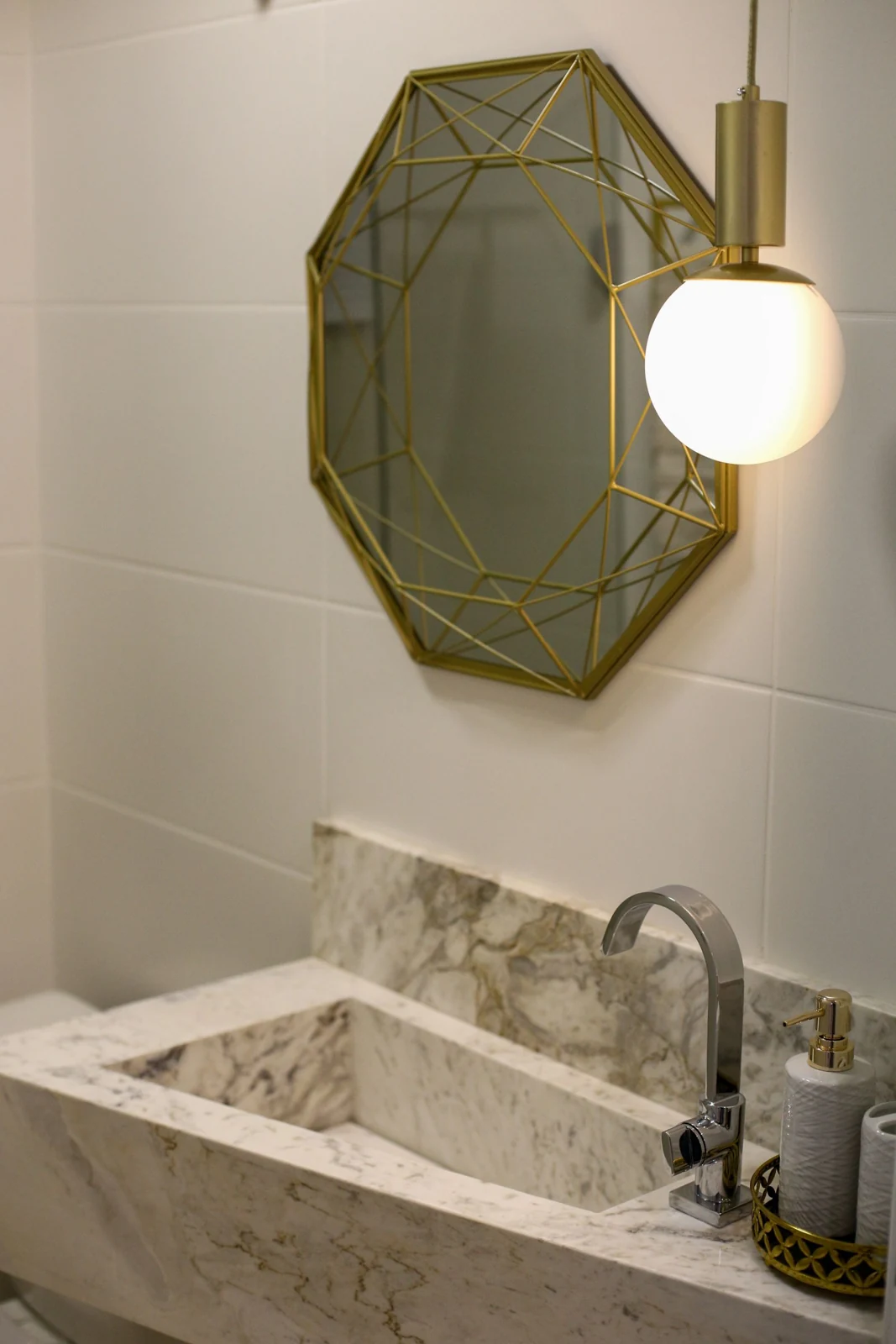
Record demonstrations and product information
Ask the installer to explain normal operation of the shower, taps, enclosure and any fitted ventilation or powered furniture. Check what the controls do and whether there are product-specific cleaning or use instructions. A short note in your own words can be easier to find later than a long manual, but keep the manuals as well. Record the manufacturer and model details needed to identify replacement parts. Ask before filming a demonstration if another person will appear in it. Keep these records with the product list and quotation so that a future question can be answered using the actual fitted product rather than a similar-looking one online.
Write down each remaining item precisely
If something is unfinished or needs attention, describe its location and the issue in plain language. A dated photograph can help show the item, but it should accompany a written explanation rather than replace it. Record who will handle it and the agreed next step. Distinguish a question about how a product operates from an item of incomplete work, so each can be addressed appropriately. Review any effect on the remaining arrangements against your agreed terms. The quote comparison guide explains why keeping the scope and changes together is useful; that same record makes the handover discussion clearer for both you and the installer.
Know what to do during the first weeks of use
Ask who to contact if you notice a problem and which information would help them assess it. Keep the relevant product details, a short description and any photographs together. Follow the supplied care and use instructions, including advice about when newly finished areas can be used. If there is an active leak or another urgent problem, stop using the affected fitting and contact the appropriate professional rather than continuing to use it while waiting for a routine review. For everyday organisation, the bathroom storage guide can help you return toiletries and towels without overcrowding the new room. Retain the handover record for later maintenance questions.
Give everyone the essential information
Share the normal-use instructions with the people who will use the bathroom, including any controls that differ from the old room. Explain which cleaning products have been recommended and where the manuals and contact details are kept. Keep maintenance information accessible without storing paperwork in a damp cupboard. If the household notices the same issue more than once, record when it occurs and describe it consistently when contacting the installer. Clear information is more useful than several separate messages that each describe only part of the problem.