
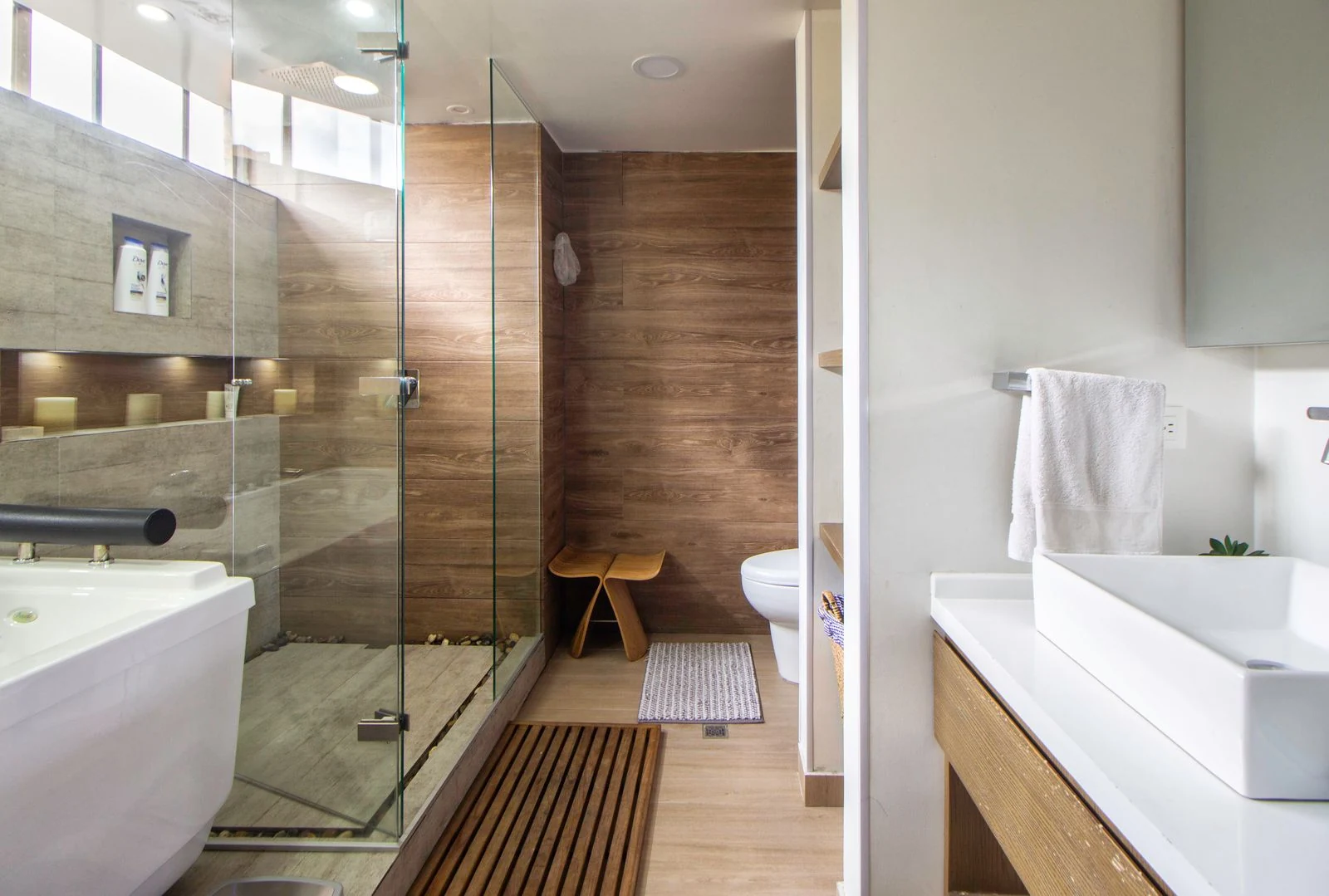
Explain that there is no second bathroom
Make this clear during the first discussion. Do not assume the fitter knows how many usable bathrooms are in the property. Ask which facilities are expected to be unavailable at each stage and whether any temporary arrangement is possible for the specific project.
Agree the sequence
Removal, preparation, connections and finishes do not always happen in one uninterrupted stretch. Products, drying requirements and the condition of existing surfaces can affect the sequence. Request a project-specific schedule and ask how changes will be communicated rather than relying on a generic number of days.
Plan washing and toilet arrangements
Discuss the periods when the toilet, bath or shower cannot be used. You may need to arrange washing facilities elsewhere or adjust household routines. Never use newly fitted equipment before the installer says it is ready; a fixture being in position does not mean the surrounding work is complete.

Keep the route through your home usable
Agree where products will be stored, which entrance is used and how floors and nearby rooms will be protected. Move toiletries and personal belongings out of the working area. Let the installer know about children, pets or access needs that affect how the work area should be managed.
Have a daily contact plan
Know who to speak to about access and decisions while work is underway. Keep a record of changes and any effect on cost or schedule. Before the old bathroom is removed, confirm the agreed products are available and the practical arrangements still make sense for your household.
Make a household plan before the start date
List the facilities each person relies on during a normal day and identify which can be managed elsewhere while the work is underway. Consider early starts, school routines, home working and any access requirements. Discuss the actual plan with everyone affected rather than assuming a temporary arrangement will suit them. Ask the installer which facilities might remain usable and when that can be confirmed. Treat that information as project-specific: the presence of a toilet in the room does not guarantee it will be connected or safe to use throughout fitting. Keep a fallback arrangement in case preparation or delivery issues change the expected sequence.
Prepare the room and a small essentials box
Empty cabinets, shelves and the area around the bathroom entrance before the agreed start. Keep everyday toiletries, medication and clean towels in an accessible place outside the work zone. Protect private items from being included in progress photographs, and ask where any fittings you are keeping should be put. Do not start disconnecting plumbing or electrical equipment yourself to speed things up. Agree which removal tasks belong to the installer. A practical preparation list should also cover spare keys where needed, pet arrangements and the route between the entrance and bathroom. Our bathroom installation page describes the other fitting work to agree before fitting begins.
Coordinate deliveries with the people doing the work
A box arriving at the property is not the same as the correct product being checked and ready to fit. Confirm who will receive deliveries, inspect packaging and check model numbers, finishes and quantities. Agree where large items can sit without blocking escape routes or the routes you use each day. In a flat, discuss communal access and any practical arrangements for carrying products upstairs. Do not assume an old bath or shower will be removed before replacement products are available. Ask what the installer needs on site for each stage and how a damaged item would affect the sequence. Keep supplier and order information accessible to the person coordinating the project.
Ask about each transition back into use
The bathroom may return to use in stages, but that should happen on the installer’s advice. Ask which fittings can be used, which areas must remain undisturbed and when the remaining work will be completed. Drying and product requirements vary, so avoid relying on an internet timetable for the materials in your room. If something is unclear, ask before using the fitting. Keep children and pets outside the working area, and avoid moving protection or stored tools to make temporary space. A short update at the end of each working day can help everyone understand what has changed and what the household needs to plan for next.
Plan the first days after completion
Allow time for a proper handover rather than treating the last installation task as the end of the conversation. Ask for demonstrations, care information and the agreed contact for questions after you have used the room. The bathroom handover checklist can help you organise that review. If something remains unfinished, record the item and the next step clearly. You should also know when to return stored belongings and how to clean the new surfaces without affecting them. Keeping the product information, fitting work and handover notes together makes later questions easier to resolve and avoids relying on memories of a busy renovation week.