
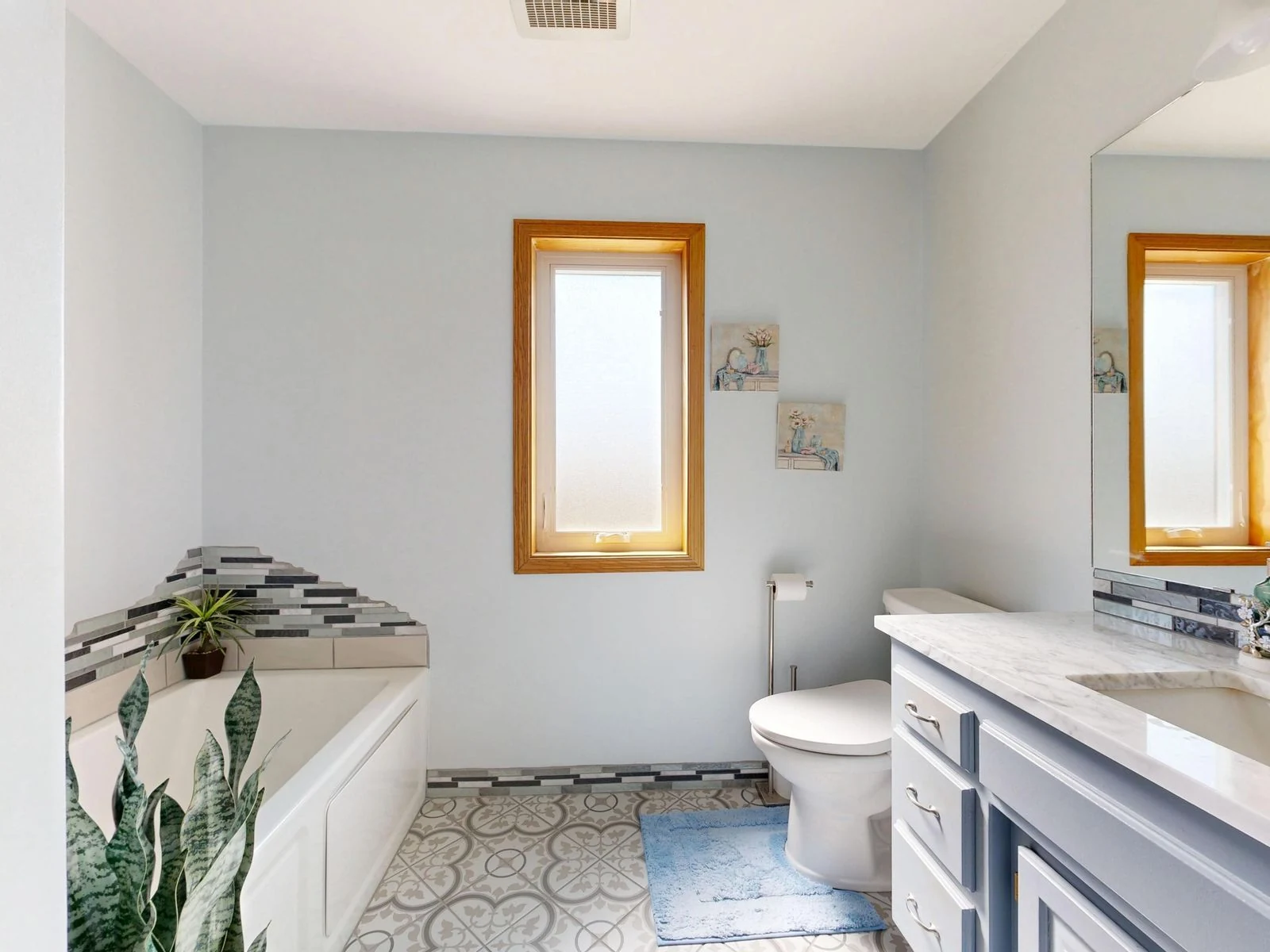
Begin with the surface behind the finish
Both approaches depend on appropriate preparation and installation. Ask what condition the wall needs to be in and whether the quoted work includes bringing it to that condition. A finish should not be chosen as a way to ignore a problem underneath.
Compare joints, edges and corners
Look at how each system handles the shower, bath edge, window and any recess. Tile layouts involve joint positions and edge details; panels have their own joining and trim arrangements. Ask to see the intended detail rather than judging a material only from the centre of a sample.
Read the care instructions
Products vary, so check approved cleaners and any maintenance requirements for the exact tile, grout, panel or seal chosen. Consider how visible water marks or surface texture will be in your own light. A low-maintenance preference should be part of the specification, not an assumption.
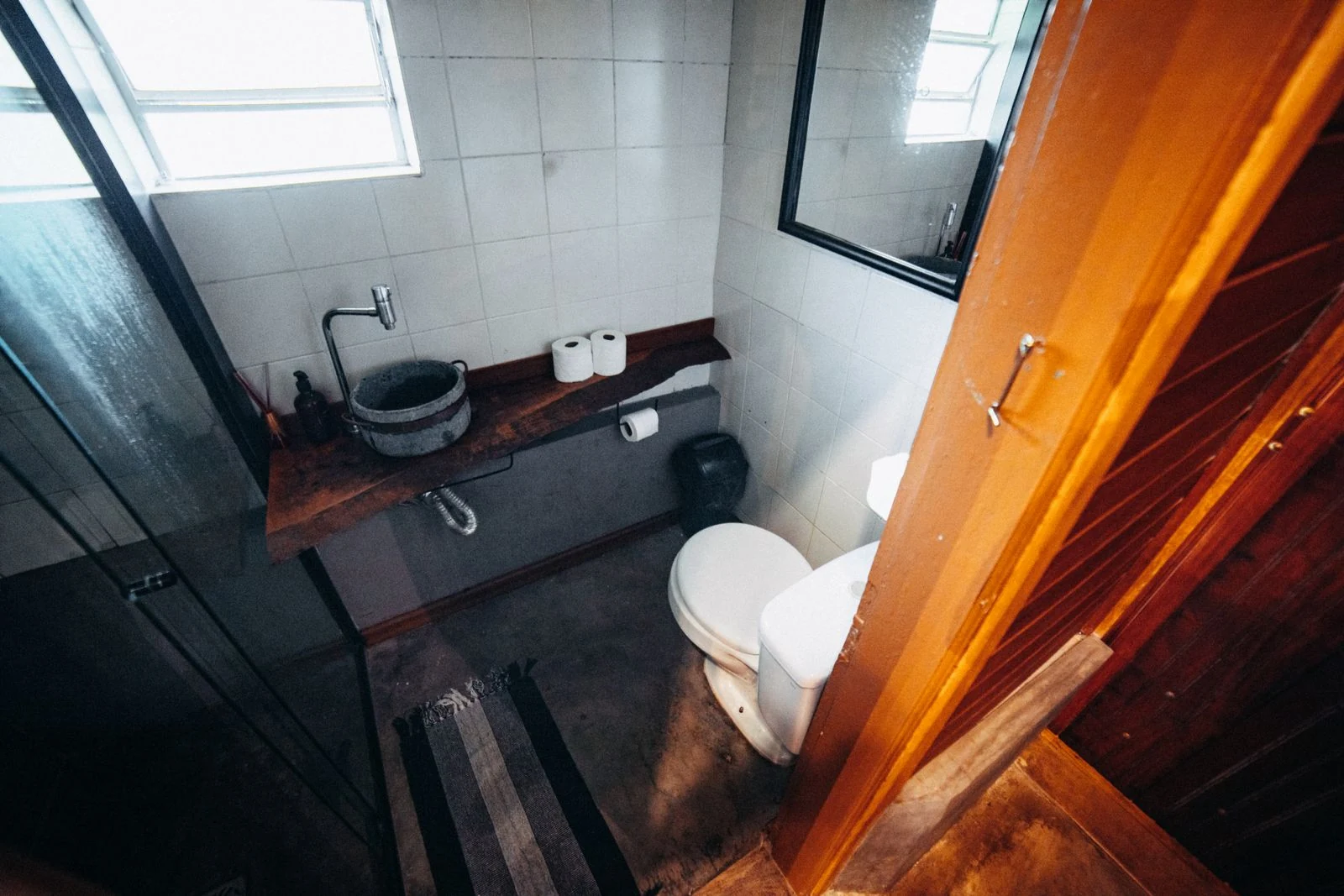
Think about later changes
Ask what happens if a fitting is moved or a section is damaged. Can the chosen surface be repaired or replaced in a practical way? Keep product details and discuss whether retaining spare material is sensible. Do not assume a future batch will be an exact visual match.
Compare the full cost of fitting tiles or panels
Material prices alone omit preparation, adhesives or fixing systems, trims, labour and repairing the walls and floor after fitting. Compare a written list of products and fitting work for each option. Choose the combination of appearance, maintenance and work needed that suits your room rather than treating one system as automatically better.
Look at a whole-room sample plan
A small sample can tell you about colour and surface texture, but not how a full wall will look. Ask how tile sizes, panel widths and joint positions would relate to the shower, vanity and window. A strong pattern may repeat more often than you expect, while large plain surfaces can make edge details more noticeable. Sketch the main wall elevations if that helps the discussion. The bathroom style guide provides a starting point for choosing an overall direction. Keep that direction simple enough to assess in your actual room, rather than combining several patterns because each looks attractive on its own.
Discuss a shower niche before ordering surfaces
Storage inside a shower needs to be considered with the wall construction and finishing system. A niche that looks neat in a photograph may require a different detail with the chosen panel or tile. Ask whether the wall can accommodate it, where it would sit and which products are intended to form the corners and edges. Do not cut into walls or assume a recess can be added after finishes have been ordered. If a niche is unsuitable, ask about a surface-mounted shelf that works with the room. Our bathroom storage guide helps separate the need for a useful place for bottles from any one construction method.
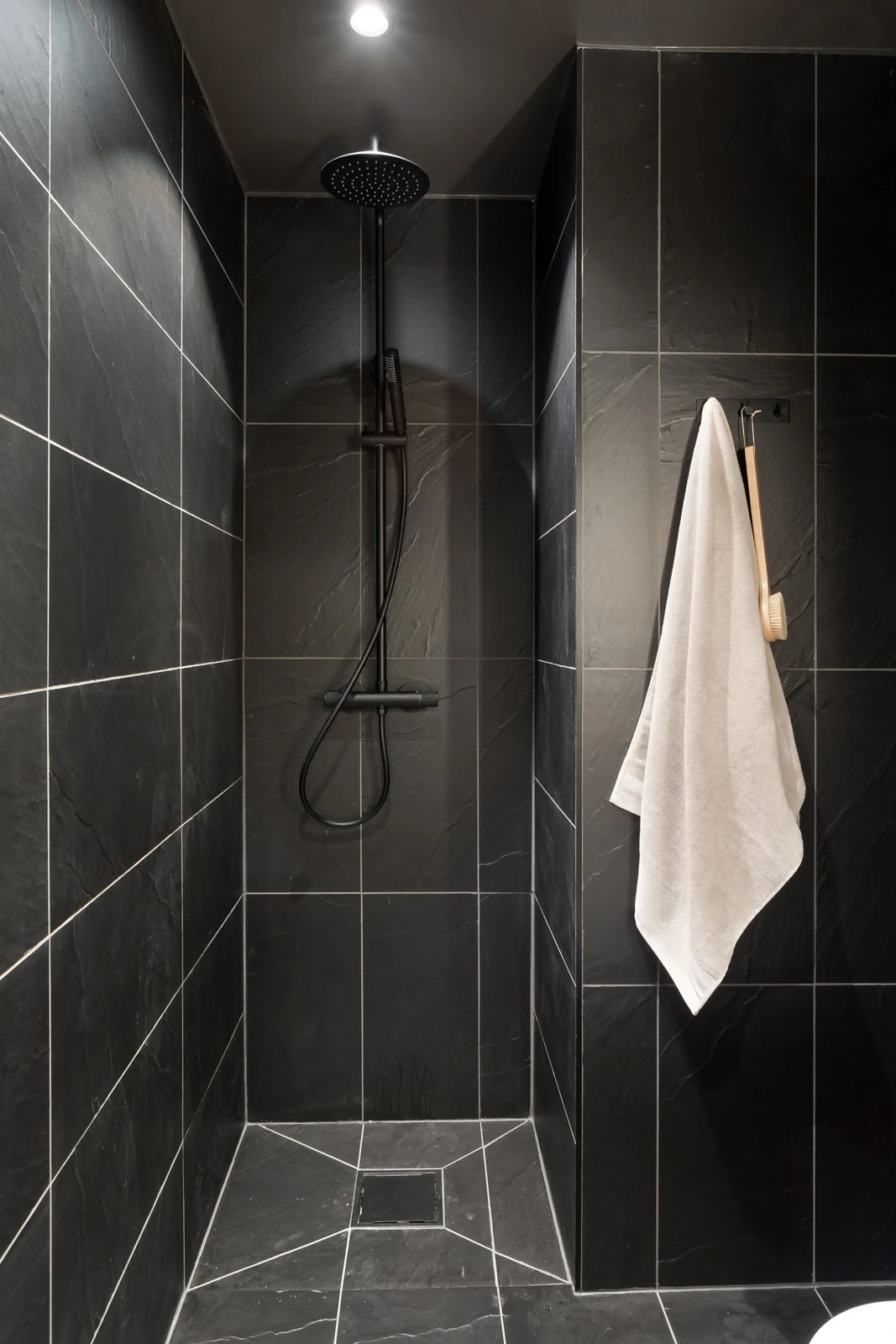
Compare maintenance as a complete routine
Consider what you will actually clean each week: the wall surface, joints, shower screen, tray edge and fittings. A product described as easy to clean still has installation details that need care. Read the manufacturer’s instructions for the exact surface and associated products, and ask which cleaning tools and liquids are suitable. If you prefer smooth finishes, handle a sample rather than judging texture from a photograph. Dark, pale, matt and glossy surfaces can each show marks differently depending on light and use. Avoid choosing purely on a broad claim that all tiles or all panels behave the same way; individual specifications and detailing make a difference.
Work out how the finish meets the rest of the room
The boundary between a shower wall and a painted area, the edge around a window and the junction with the floor all affect the finished appearance. Ask what trims or finishing pieces are proposed and whether their colour suits the taps and cabinet handles. Confirm which existing surfaces will remain and whether local repairs are likely to be visible. If you are replacing only part of the room, compare samples beside the materials that are staying. The lighting and finishes guide explains why seeing those combinations in your own bathroom can be more useful than choosing from separate online product photographs.
List the products and fitting work in each bathroom quote
Once you have a preferred approach, put the selected product range, colour, dimensions and edge details in the written list of work. Ask who supplies each component and who is responsible for checking quantities. Include preparation, removal of existing finishes, installation materials and repairs to nearby walls and flooring. Keep the maintenance information and discuss whether spare material should be kept. This record helps if a later substitution is suggested or a small repair is needed. You can then compare the two approaches fairly, based on a complete installed room. The best choice is the one whose appearance, practical care and agreed work suit your household, rather than a material selected on its headline price alone.